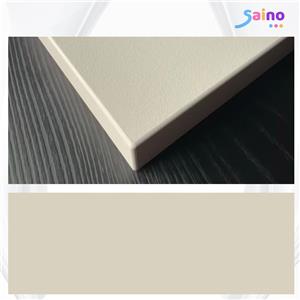
ABS vs. PVC Edge Banding: Which Material is Best for Your Project?
ABS Edge Banding vs. PVC edge banding: Which material is the most suitable for your project?
Choosing the right edge sealing material is crucial to improve the durability, beauty and service life of furniture. Among the many popular options, ABS Edge Banding (acrylonitrile-butadiene-styrene copolymer) and PVC edge banding (polyvinyl chloride) have their own unique advantages, and the final choice depends on the priorities of your project.
1. Material composition and characteristics
ABS Edge Banding are composed of acrylonitrile (for chemical corrosion resistance), butadiene (for flexibility) and styrene (for rigidity). It has high impact resistance and heat resistance, so it is suitable for areas with large flow of people. The PVC edge banding is famous for its multifunctionality.
PVC edge banding has better fire resistance and higher flexibility, and can be bonded to almost any curve or corner, including the unprocessed edges of furniture. The temperature resistance of the two types of edge strips is also different. Although ABS Edge Banding is resistant to high temperature, PVC edge banding is more weather-resistant and moisture-proof, so it is more suitable for outdoor applications and humid environments.
2. Aesthetics and design flexibility
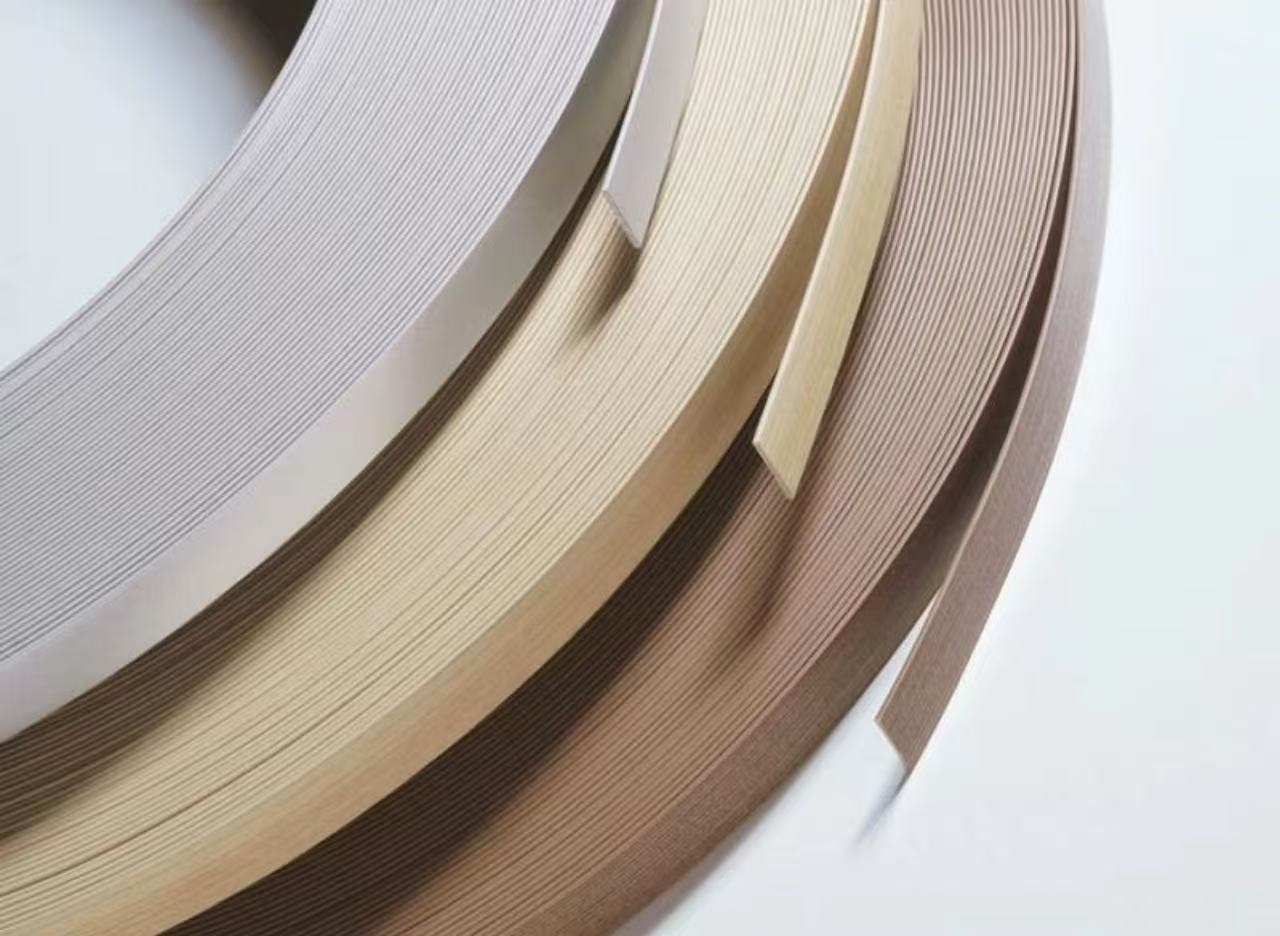
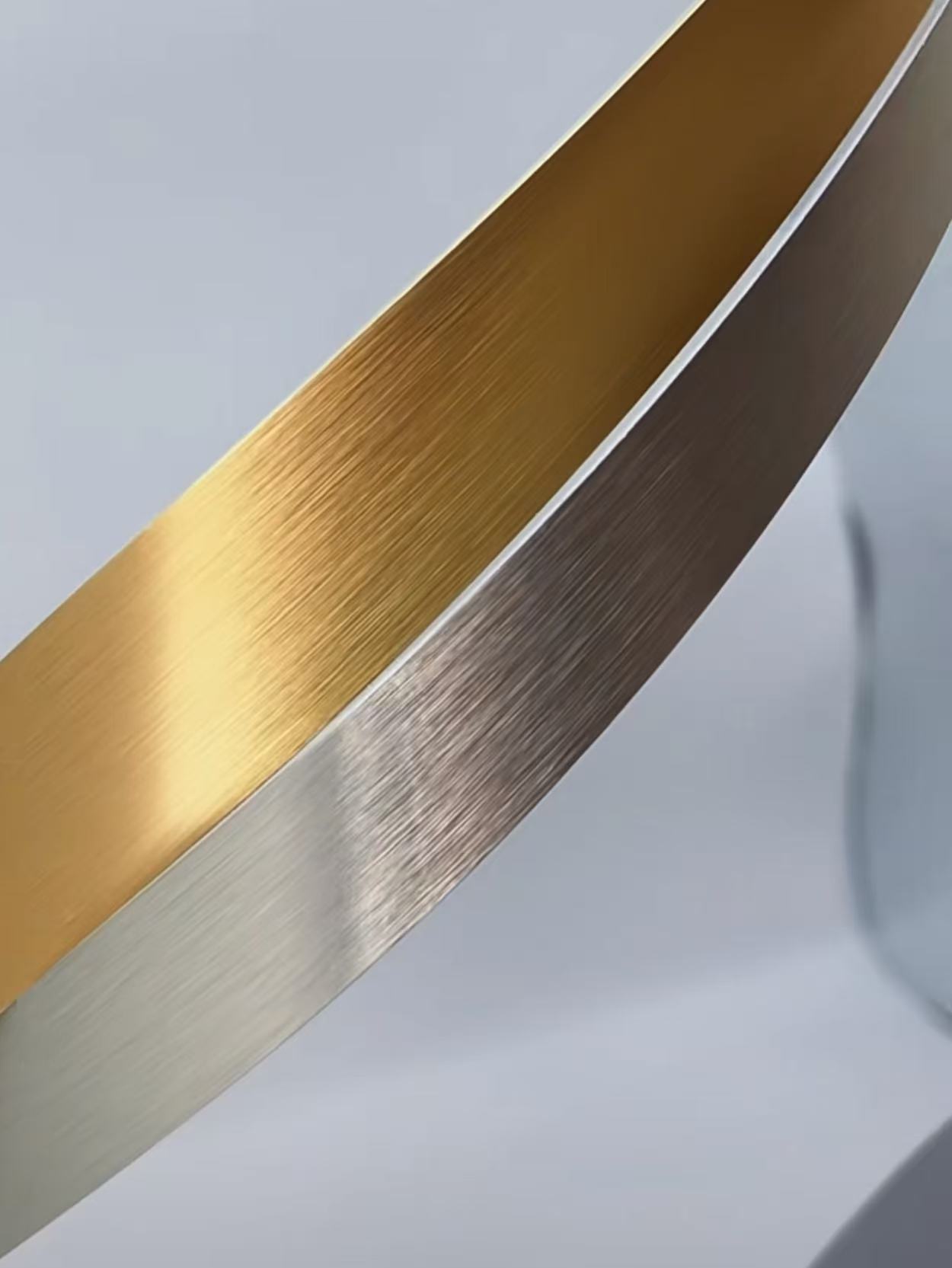
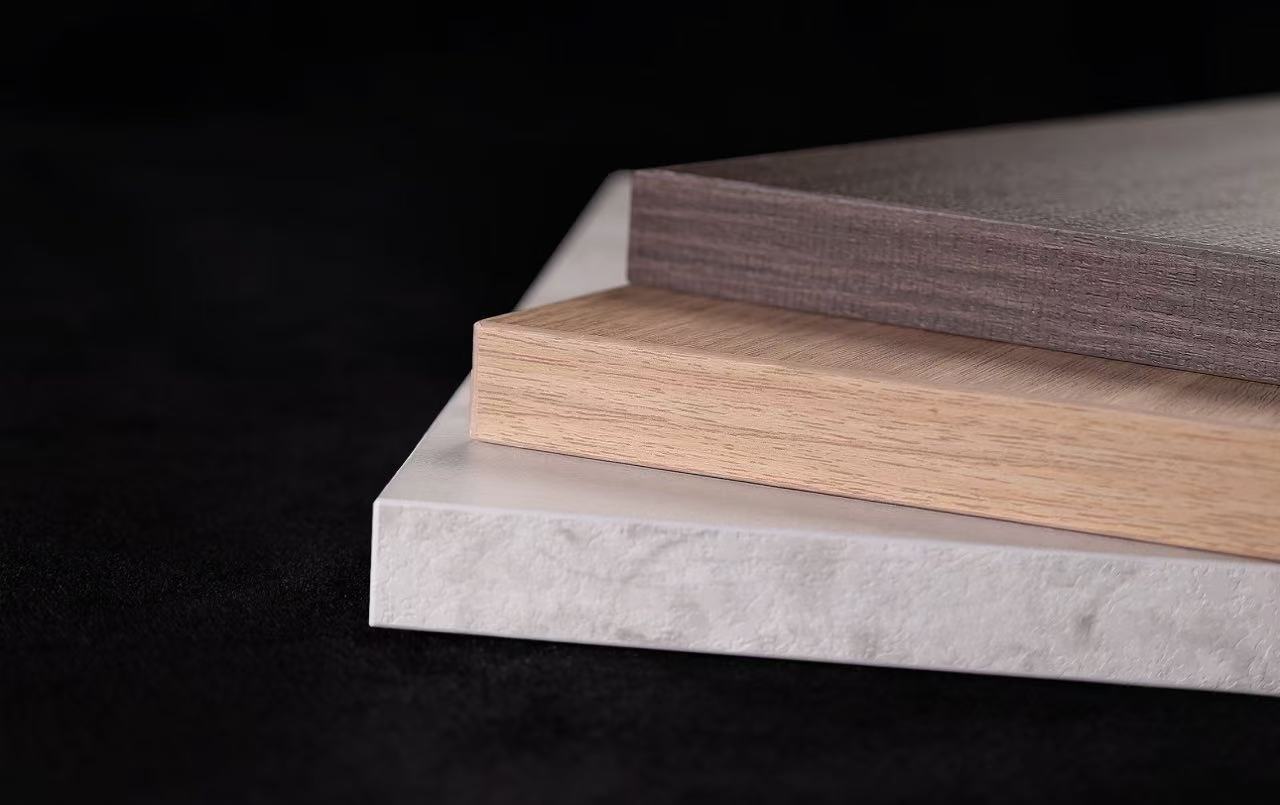
ABS Edge Banding is characterized by a smooth and matte surface, which is not easy to fade, which is very suitable for modern and simple style. The rigidity of ABS Edge Banding makes the edges clear and sharp, and the pattern outline is clear. PVC edge banding are different. They can present a variety of styles, such as glossy, matte, and even make textures to imitate the texture of wood, marble or metal. PVC edge banding has good flexibility and can be bent and deformed to create more complex patterns and designs. Advanced surface treatment technology can also copy various textures.
3. Durability and performance
ABS Edge Banding are famous for their impact resistance and can withstand bumps in busy offices or kitchens. PVC edge banding is more scratch-resistant, and its surface coating can be kept smooth. ABS edge strip has better heat resistance, but it will fade when exposed to sunlight for a long time. PVC edge banding will not fade in the sun and has good moisture-proof performance. Therefore, PVC edge banding are very suitable for bathrooms, kitchens and outdoor furniture.
4. Environmental protection
ABS Edge Banding are made of petroleum, which consumes a lot of energy in the production process and lacks effective recycling. PVC edge banding adopt modern environmental protection technology and use water-based ink to avoid the use of harmful plasticizers, so as to reduce the emission of volatile organic compounds (VOC) and toxins. It is worth noting that traditional vinyl edge strips do have an impact on the environment, but with the emergence of new water-based films, PVC edge banding have now become a better choice.
5. Cost consideration
For large-scale projects or projects with limited budgets, PVC edge banding are affordable and an ideal choice. Although the initial cost of ABS Edge Banding is high, it is more economical in the long run, because it has lower maintenance costs and lower replacement frequency in high-wear areas.
Conclusion
If you need an impact-resistant, heat-resistant and durable edge strip suitable for high-strength use environment, please choose ABS Edge Banding. If you need a flexible, moisture-proof and cheaper design, please choose PVC edge banding. Considering durability, design and budget, you can find the most suitable materials for your project.