
What new technological breakthroughs have been made in protective films?
In recent years, protective films have had lies and fakes in terms of key performance indicators such as weather resistance, self-adhesion strength and peeling force. Introducing a new generation of high-performance building material protective films, SAINO makes its surface protection film perfect for use in transit, warehousing or construction and offers the best solution for protecting surfaces against extreme environmental conditions.
Core Technology: A Leap from "Yellowing" to "Long-Lasting Protection"
Traditional Protective Film, when used outdoors for extended periods, often suffers from yellowing, embrittlement, and adhesive residue due to environmental factors such as ultraviolet radiation, high temperature, and high humidity, affecting the aesthetics of building materials and construction efficiency. This technological breakthrough is mainly reflected in:
Significantly Improved Weather Resistance: By introducing a new composite system of anti-UV additives, antioxidants, and light stabilizers, the new generation of Protective Film exhibits a yellowing index Δb value of less than 2.0 after 3000 hours of QUV accelerated aging testing, retains over 85% of its mechanical properties, and extends its service life to over 12 months, meeting the long-term protection needs of construction sites.
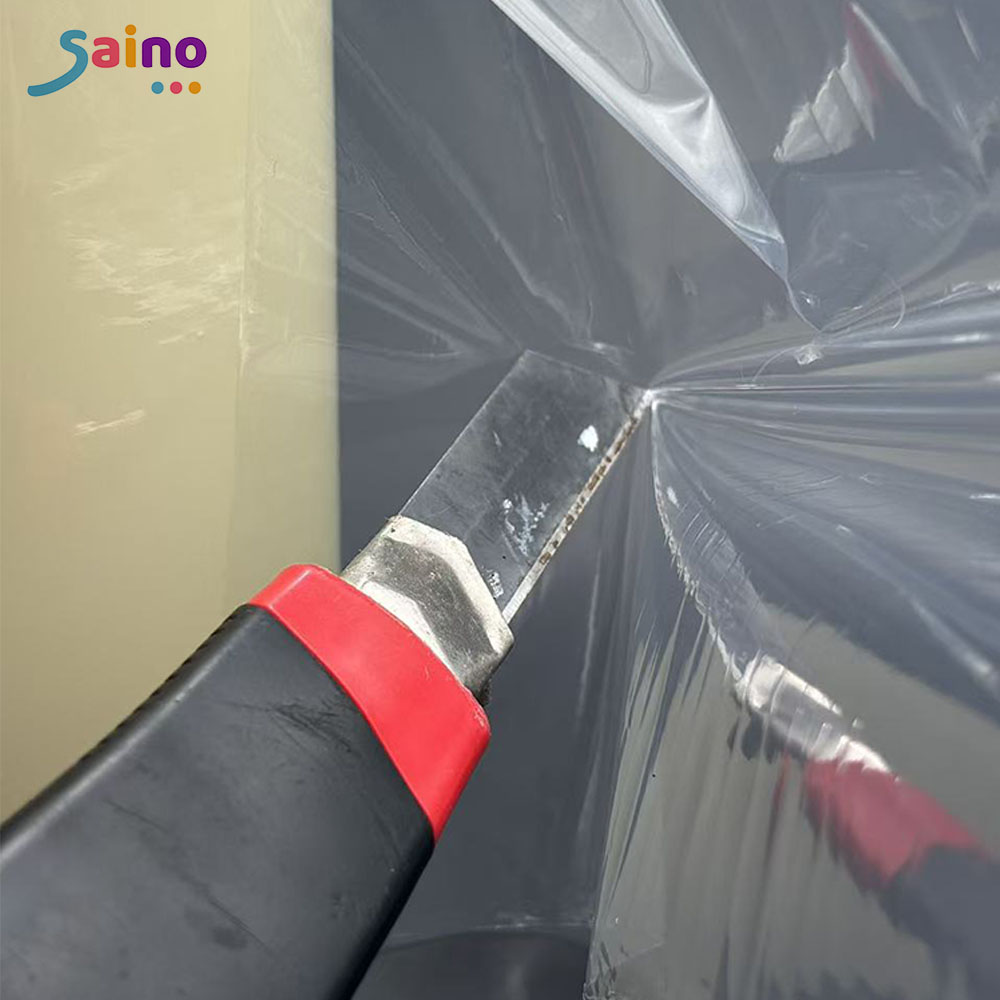
Optimized balance between self-adhesion and peelability: Utilizing a low-tack acrylic pressure-sensitive adhesive formula and surface microstructure design, Protective Film adheres firmly to building material surfaces during construction, preventing detachment and displacement. Upon removal, it leaves no residue or contamination, solving the industry pain points of traditional Protective Film's inability to adhere or peel off.
Breakthrough in temperature resistance: Through substrate molecular structure modification and cross-linking technology, the protective film maintains stable performance in environments ranging from -20℃ to 80℃, adapting to construction conditions in different climatic regions. It does not become brittle in winter or drip in summer.
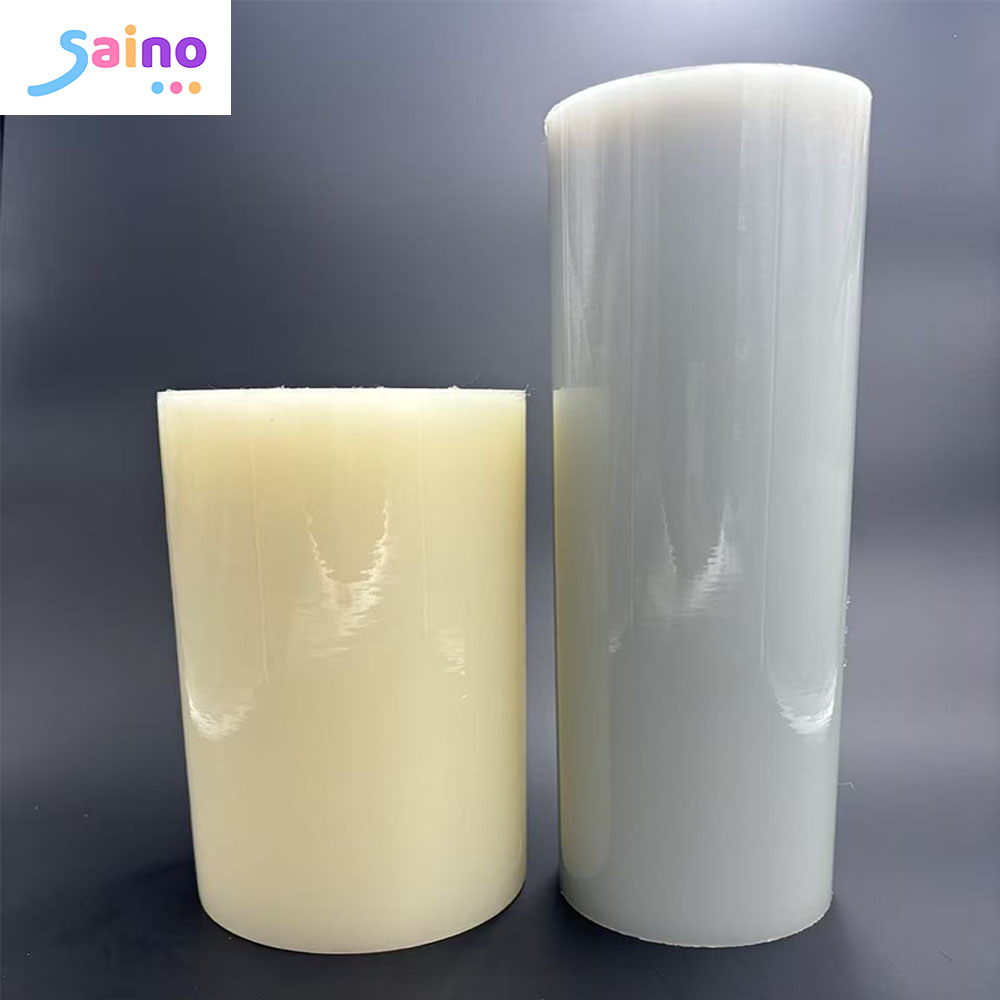
Application scenarios: Covering the entire building lifecycle
Wall Panel Protection: The new Protective Film for the surface of aluminum and stainless steel curtain wallsand other Metal Building Materials can not only effectively prevent scratches during transportation & installation but it also protects contamination from construction. Clean surface after stripping, no second cleaning and low construction cost.
Glass Protection: A transparent protective film with a light transmittance above 92% has been developed for use in easily scratched materials such as architectural glass and insulated-glass. Does not affect lighting when installed and removes cleanly with no adhesive left behind
Stone & Ceramic Protection: Protective Film does not allow wet cement, adhesives and other contaminants on building material surfaces such as natural stone, artifical stone and ceramic tiles from adhereing to the surface while also preventing moisture penetration associated with efflorescence.
Protection of prefabricated building components: It allows standard pre-application at the factory and on-site construction after removal, which can shorten the cycle for improvingconstruction efficiency.
Industry Status: The market size continues to grow.
According to data from the China Building Materials Federation, the Chinese building materials Protective Film market size exceeded 5 billion yuan in 2025, with an annual growth rate exceeding 20%. With the advancement of green building and prefabricated building policies, as well as increasing requirements for building quality, the demand for high-performance Protective Film continues to grow. Currently, over 20 domestic companies specializing in building material protective films have entered the market, with some products achieving or approaching international advanced performance levels.
Environmental Protection and Sustainable Development Trends
The new generation of Protective Film has also made progress in environmental protection: some products use recyclable PE/PP materials, and some companies have developed biodegradable protective films, reducing construction waste. Simultaneously, solvent-free coating processes and water-based adhesives are being gradually applied, driving the industry towards green development.
Expert Opinions
Experts from the Materials Branch of the China Building Decoration Association stated that this technological breakthrough not only solves long-standing industry problems such as weather resistance and adhesive residue, but also promotes the industrialization and standardization of the building industry. In the future, with the development of intelligent and green buildings, the functional and environmental requirements for Protective Film will be even higher, necessitating collaborative innovation across the entire industry chain.