
Why is PETG film the most suitable material for PUR flat lamination?
PETG film and PUR planar composite materials: both high strength and high wear resistance are the key to achieving excellent performance.
As we all know, the quality of materials and craftsmanship is very important for jewelry. After years of development, the combination of PETG film and PUR planar composite material has shown significant advantages in the fiercely competitive cosmetics market. The interface combination of PETG film and PUR flat composite material has been widely used in home decoration, textiles and other fields, achieving the synergy effect of "1+1>2".
This combination not only overcomes some shortcomings of the traditional planar composite process, but also has advantages over the traditional process in terms of environmental impact and sustainability.
The performance of the material determines the efficiency of the process.
As an amorphous copolyester material, the atomic structure of PETG film is the same as that of PUR plane composite materials. PETG film has excellent visibility, high melting point and good bending properties, and the polyurethane reaction solvent used in PUR plane composites reacts chemically with the surface of PETG film after melting, thus forming a firm chemical bond.
This combination makes PETG film more prone to wear during PUR plane lamination.
Process efficiency reflects the value of the product.
The application of PETG film in PUR planar lamization process has been proven to be suitable for a variety of applications.
1. After curing, the PUR flat laminated adhesive forms a cross-linking structure, which improves heat resistance, water resistance and chemical resistance, thus achieving the best thermal stability of PETG film.
2. The application temperature of PUR flat laminated adhesive is relatively low (about 120–140°C) to avoid the decline in the performance of PETG film due to high temperature, and give full play to the unique light transmittance and surface properties of PETG film.
3. The first coating of PUR flat film adhesive needs to be completely dried, so as to provide sufficient time for the curing of PETG film.
Availability and sales cycle
The surface of PETG film made by PUR flat laminating process is smooth and flat, with no bubbles and cracks. Long-term use may increase the risk of injury.
Especially in outdoor applications, the ultraviolet resistance of PETG film is combined with the strength of PUR flat film, which can improve the product performance by up to 30%.
According to industry tests, office doors made of PETG film and PUR flat laminating technology can withstand 1000 hours of wind and rain.
Application Scenarios and Market Feedback
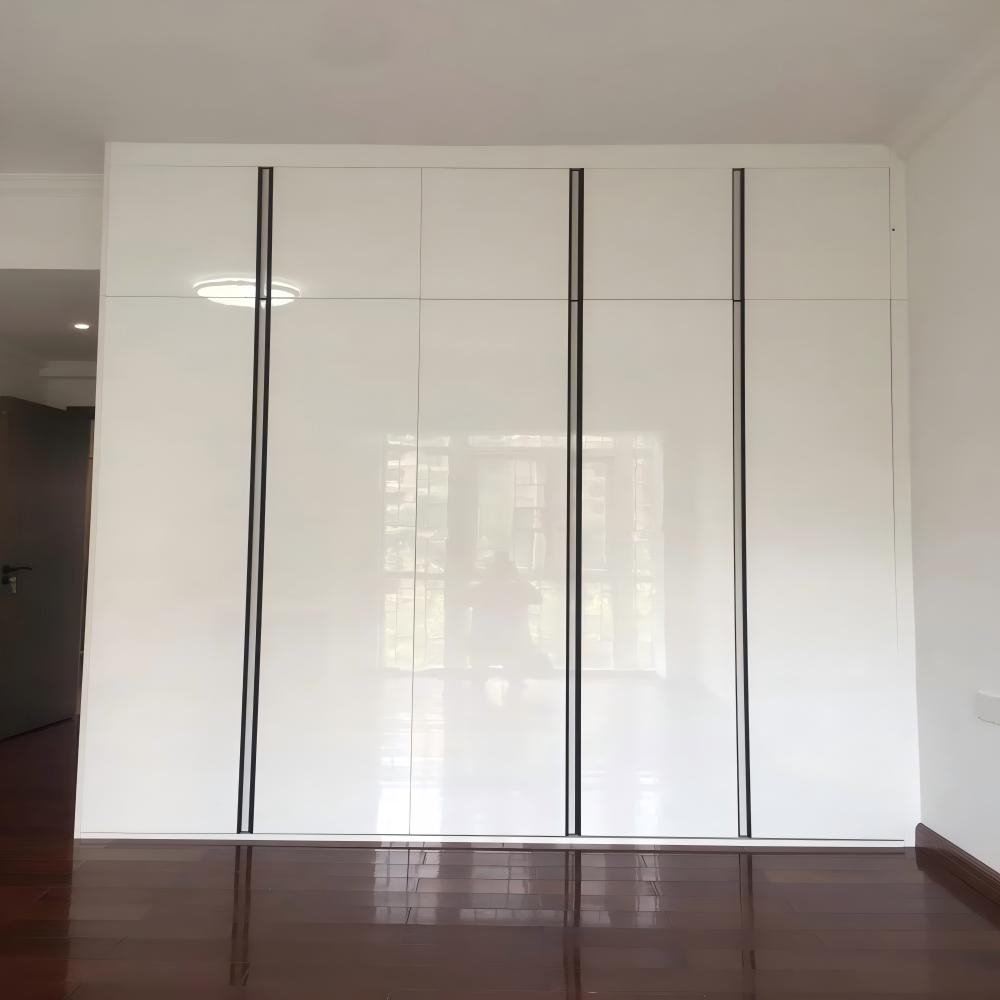
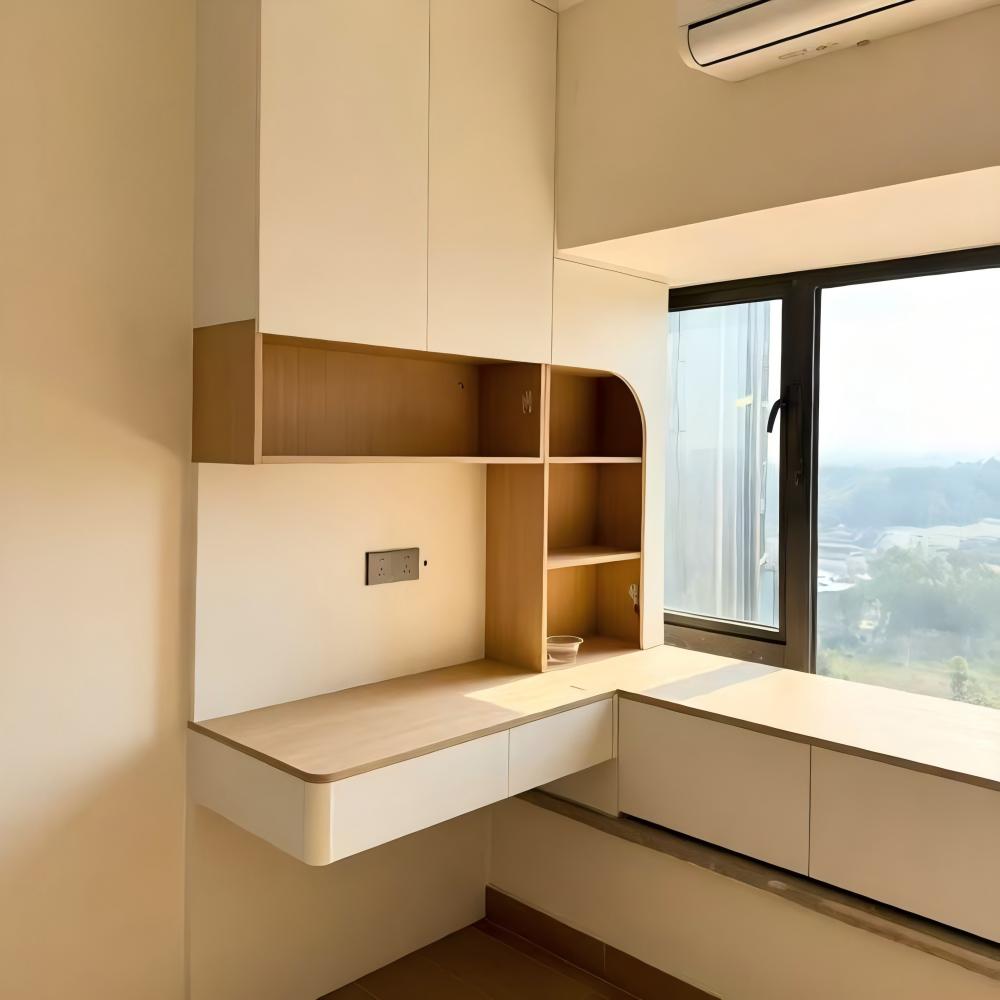
In applications such as furniture edge banding, cabinet doors, and advertising light boxes, PETG film treated with PUR flat lamination results in products with clear edges, smooth surfaces, no bubbles, no orange peel effect, and is less prone to yellowing and peeling over long-term use.
Especially in outdoor applications, the combined UV resistance of PETG film and the weather resistance of PUR flat lamination adhesive extends product lifespan by more than 30%.
Some companies have reported that cabinet doors produced using PETG film in conjunction with PUR flat lamination maintained over 85% of their initial peel strength after 1000 hours of testing in high temperature and humidity environments, far exceeding industry standards.
Technical Challenges and Solutions
Although the combination of PETG film and PUR flat lamination offers many benefits, tight control over process parameters is important when using it in production. The reactivity with the PUR flat lamination adhesive depends on surface tension and polar group content of PETG film making it necessary to adjust temperature, pressure, time by specific grade of PETG films.
In addition, PUR flat lamination adhesives have higher requirements for the wetting properties of PETG films than other materials; therefore a clean and pollution-free film surface is required to obtain good bonding effects. At present, more than some equipment manufacturers have built special PUR flat lamination production line for PETG film in the market, with on-line plasma treatment and corona treatment function to increase the surface activity of PETG film so as to achieve better PUR laminate effect.
Industry Prospects and Trends
Experts in the industry believe that PETG Film + PUR flat lamination is a manifestation of high-performance, environmentally friendly and personalized decorative materials. This material-process combination seems to drive aging PVC materials from more areas of traditional use by growing consumer needs for product quality and tougher environmental regulations.
The subsequent technological development will tend to the optimization process parameters for both; PETG film formulations, PUR flat lamination adhesives and matching respectively. Over the next three years, applications for PETG film in PUR flat lamination sector are reportedly expected to grow at a compound annual growth rate higher than 20%.